

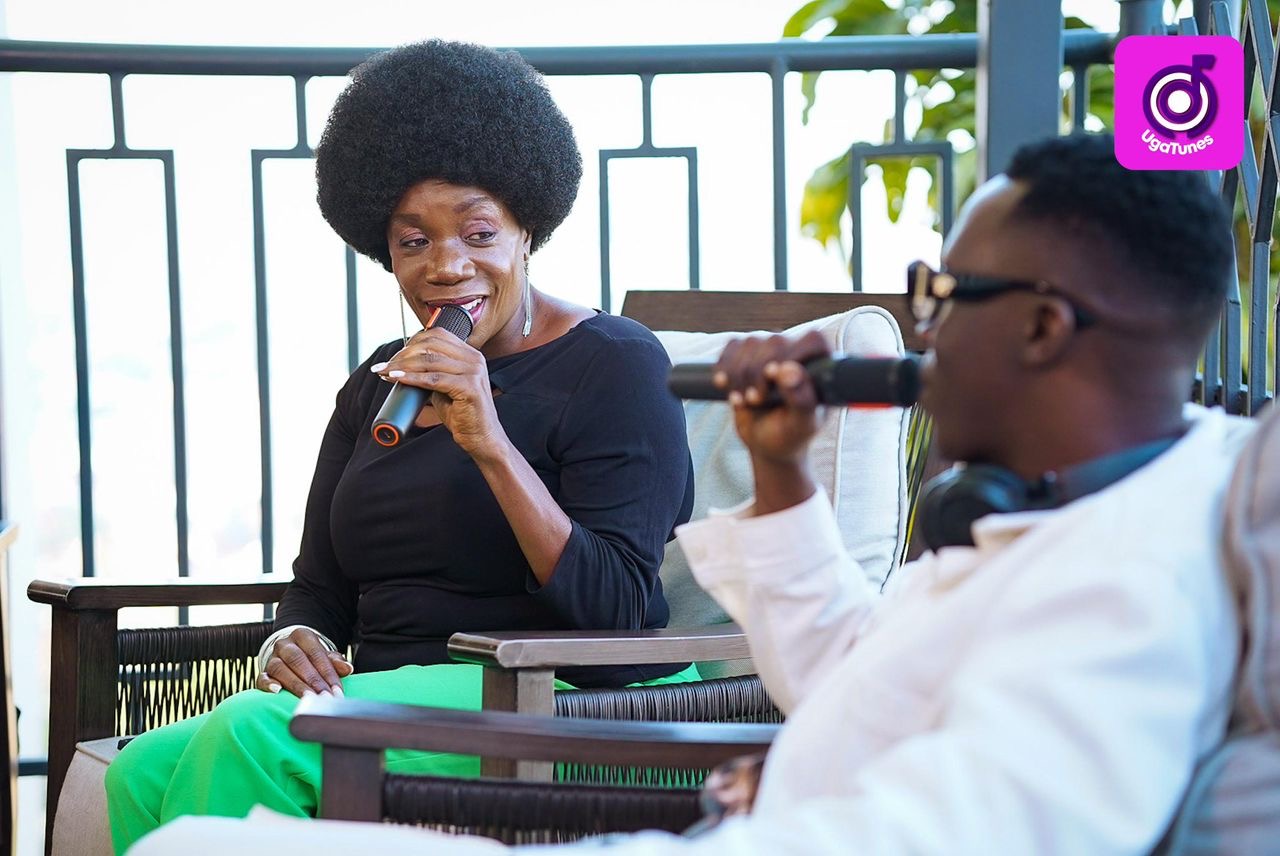
Veteran musician and Chairperson of the Uganda Parliamentary Forum for Creative Industries (UGAPAFOCI), Rachael Magoola, has urged policymakers to recognise the wider scope of Uganda’s creative economy, noting that music accounts for only a small fraction of the sector.
Speaking during an interview on After 5 on NBS Television, the longtime member of Afrigo Band emphasised the need for stronger policies that support all creative professionals.
She explained that the creative economy extends beyond music to include fields such as fashion, film, theatre and makeup artistry, among others.
“When we talk about the creative industry, we must realise that music is only about 0.5 percent of the entire creative economy,” Magoola said.
She noted that ongoing discussions around copyright legislation should therefore take into account the needs of authors, playwrights, filmmakers, designers and media practitioners.
Magoola also reassured broadcasters that the proposed copyright system would not be punitive, explaining that payments are calculated collectively through a blanket licence framework.
“Radio stations should not fear the copyright system because payments are calculated collectively. If the industry becomes well structured and standardised, artists will also pay taxes. Creating music is a profession and a source of income, just like any other job,” she said.
Her remarks come as Uganda considers reforms aimed at improving how artists and creators benefit from their intellectual property.
Magoola pointed out that the African Union recommends governments allocate at least one percent of national budgets to support the creative economy. She welcomed the inclusion of the sector in Uganda’s 10-fold growth strategy alongside science and technology but noted that more work remains to be done.
The debate follows the introduction of the Copyright and Neighbouring Rights (Amendment) Bill 2025 by Norbert Mao, who also serves as President General of the Democratic Party.
The proposed law seeks to modernise Uganda’s copyright framework and align it with international standards to enable creators to benefit more fairly from their work.
Among the reforms is a new revenue-sharing model for caller ringback tones, a popular telecommunications service that allows callers to hear music instead of the standard ringing tone. Under the proposal, authors and performers would receive 60 percent of the revenue generated, telecommunications companies would take 31 percent, while aggregators would receive 8.5 percent.
Officials say the amendments are designed to address long-standing challenges faced by Uganda’s creative community, particularly piracy and the unauthorised use of artistic works.
The Uganda Registration Services Bureau, which oversees intellectual property rights administration, has welcomed the proposed reforms, noting that they could strengthen legal protection for creators and expand opportunities for monetisation.
Industry observers believe the bill reflects growing recognition of the creative sector’s economic potential in generating employment, promoting cultural expression and driving innovation.
If enacted, the proposed legislation is expected to create a more structured and transparent system for managing intellectual property rights while encouraging investment in Uganda’s cultural and creative industries.
